
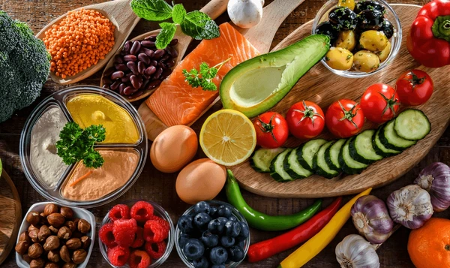
Good nutrition is the foundation of a healthy lifestyle. It energises your body, supports your immune system, and can even enhance your mental health. However, with so much information available, it’s easy to feel overwhelmed about what constitutes a healthy diet and how to improve your nutritional wellbeing. Let’s simplify it into manageable parts.
What Makes a Healthy Diet?
A healthy diet is balanced, varied, and rich in essential nutrients. But what does that mean in practice?
- Balance: Your diet ought to include the appropriate proportions of carbohydrates, proteins, and fats. Carbohydrates, ideally from whole grains, fruits, and vegetables, should account for approximately 45-65% of your daily calorie intake. Proteins from lean meats, beans, or legumes should represent about 10-35%, while fats, chiefly from unsaturated sources like nuts and olive oil, should comprise around 20-35%.
- Nutrient Density: Focus on nutrient-dense foods, which provide a high amount of vitamins and minerals for relatively few calories. Examples include leafy greens, berries, fish, and whole grains.
- Portion Control: Even healthy foods can contribute to weight gain if eaten in large quantities. Being mindful of portion sizes can help maintain a healthy weight and avoid overconsumption of calories.
How to Improve Your Nutritional Wellbeing
Improving your nutritional wellbeing doesn’t have to be daunting. Here are some practical steps you can take:
- Educate Yourself: Understanding what you’re eating is the first step to improving your diet. Learn to read food labels, recognize added sugars, and differentiate between whole and processed foods.
- Plan Your Meals: Planning meals ahead of time can prevent impulse eating and help you make healthier choices. Aim for meals that include a balance of protein, healthy fats, and carbohydrates.
- Stay Hydrated: Water is crucial for digestion, nutrient absorption, and overall health. Make it a habit to drink water regularly throughout the day. Herbal teas and water-rich fruits and vegetables like cucumbers and watermelon are also good options.
- Limit Processed Foods: Processed foods often contain high levels of salt, sugar, and unhealthy fats. Try to cook more at home, using fresh ingredients. Not only will this help you control what goes into your meals, but it can also be a more enjoyable and satisfying way to eat.
What Kinds of Foods Are Good and Bad for You?
When it comes to what foods are good and bad for you, context matters. Here’s a general guide:
Good Foods:
- Fruits and Vegetables
- Whole Grains
- Lean Proteins
- Healthy Fats
- Fermented Foods
Foods to Limit or Avoid:
- Sugary Drinks
- Processed Snacks
- Refined Grains
- Red and Processed Meats
- Trans Fats
Conclusion
Improving your nutrition is a journey, not a destination. It’s about making small, sustainable changes that add up over time. By focusing on balance, variety, and the quality of the foods you eat, you can lay the foundation for a healthier, happier life. Remember, the goal isn’t perfection— it’s progress. Listen to your body, make informed choices, and enjoy the benefits of a nutritious diet.