
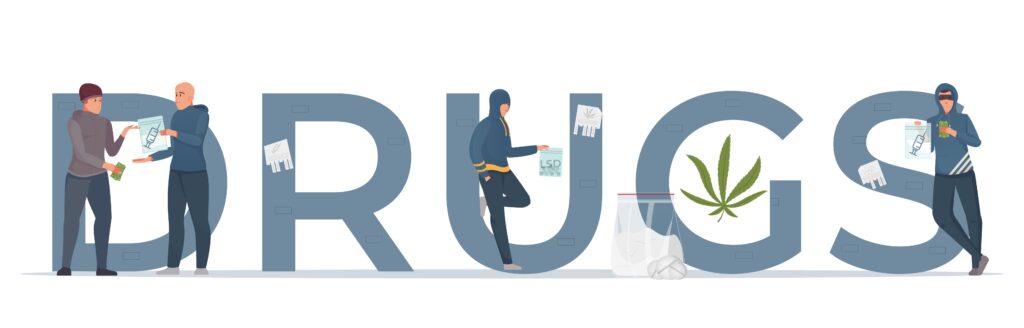
Drug use is a topic that often sparks intense debates and strong opinions. Whether it’s about illegal substances like cocaine and heroin, prescription drugs like opioids, or even everyday substances like alcohol, caffeine and nicotine, the impact of drug use on individuals and communities is undeniable. But why do people turn to drugs, and what can we do to address this issue?
Why Do People Use Drugs?
To tackle the issue of drug use, it’s essential to understand why people start using in the first place. For many, drugs offer a temporary escape from the pressures of life. Whether it’s the stress of work, school, or personal problems, drugs can provide a sense of relief or euphoria that’s hard to find elsewhere. Peer pressure, curiosity, and the desire to fit in can also be big motivators, especially for younger people.
Some individuals use drugs to self-medicate for mental health issues like anxiety, depression, or trauma. In these cases, drugs might seem like a quick fix to a much deeper problem. Unfortunately, this kind of temporary relief often leads to long-term consequences.
The Impact of Drug Use
The effects of drug use are wide-ranging and can touch every part of a person’s life. Physically, drug use can lead to addiction, where the body starts to depend on the substance just to function normally. This dependency can cause serious health problems, including damage to the heart, liver, and lungs, and in some cases, it can be fatal.
Mentally, drug use can worsen existing mental health conditions or even trigger new ones. Addiction often traps individuals in a cycle of use, withdrawal, and craving, which can be incredibly hard to break without help.
Socially, drug use can create a rift between users and their loved ones. It can lead to isolation, as people might withdraw from friends and family or engage in harmful behaviours that strain relationships. In extreme cases, drug use can result in legal trouble, job loss, and financial difficulties, making life even more challenging.
Society’s Role in Drug Use
The way society views, and deals with drug use plays a huge role in how widespread it is and how we respond to it. The stigma and judgment surrounding drug use often prevent people from getting the help they need, which only makes the problem worse. We need to approach drug use as a public health issue, not a moral failing.
Education is critical to preventing drug use, especially among young people. By providing accurate information about the risks and teaching healthy coping strategies for stress and peer pressure, we can help individuals make better choices.
Accessible treatment options are also crucial for those struggling with addiction. This means not just medical treatment but also mental health support, counselling, and rehab programs. It’s also important to address the root causes of drug use, like poverty, trauma, and lack of opportunity, to create a society where fewer people feel the need to turn to drugs.
Moving Forward: A Healthier Tomorrow
Dealing with drug use isn’t easy, but it’s something we can all contribute to by taking a well-rounded approach that includes education, treatment, and changing how we view addiction. By understanding why people use drugs and the impact it has, we can start breaking down the barriers that stop people from seeking help.
Empathy and understanding are essential. Addiction is complex, and overcoming it requires comprehensive solutions. With the proper support and resources, people can recover from addiction and lead fulfilling, healthy lives.
The road to a healthier society starts with open, honest conversations about drug use and a commitment to supporting those who need it. Together, we can create a future where drug use is less common, and those who struggle with it are met with compassion, not judgment.